Chicken or the egg—coral or the urchin
nDivers and scientists of all stripes have been down to Tela to study the reef and come up with ideas for how it’s so resilient. Several theories exist.nnThe first, developed by a local hotelier and diver, is that periodic flushes of very saline water from the Gulf cause mass die-offs of harmful bacteria and algae that can choke coral reefs. It’s plausible, but nearly impossible to study scientifically.nnAnother theory is more straightforward—fishermen avoid the reef because its richness presents small bait fish with innumerable hiding places, keeping larger species of game fish away.nnA third and more exciting theory is that the coral at Tela contains a special variety of heat-resistant ‘symbionts’—the term for photophilic microorganisms that live inside coral cells and feed the coral with energy via photosynthesis.nnThere are many kinds of symbionts, Nat Geo claims, and coral can “shuffle” them around after stressful events. The corals of Tela may have a special symbiont that helps them cope with warmer, more acidic water.nnBaker works in the Univ. of Miami’s Coral Reef Futures Lab, and the elkhorn coral samples that he and his team brought back from Honduras in the first-ever transportation of its kind are, in fact, dominated by a unique symbiont that displays heat resistance. The symbiont has been found in coral before, but never in whole reef systems.nnThere’s another aspect of Tela Bay that could account for the coral’s survival: the presence of long-spined sea urchins, a species that was decimated by a disease in the 1980s that saw 90% of the individuals die off. They graze on harmful algae and create spaces for coral to settle.nn“It’s a real chicken and egg situation,” Dan Exton, a coral reef ecologist who has studied Tela, told Nato Geo. “What came first, the unusually high population of sea urchins or the exceptionally high abundance of corals?” he said, adding that the density of corals gives them ample space to hide and avoid predators.nnDO YOU THINK THERE’S NO HOPE FOR CORAL?n
- n
- Full Recovery for Coral Reef Within 4 Years – The Speed of Restoration They Saw was ‘Incredible’
- Some Coral Species More Resilient to Climate Than Thought By ‘Remembering’ How to Survive Previous Heat Waves
- Pristine Coral Reefs Discovered Are Thousands of Years Old And Teeming With Life
- 4 Decades of Data Suggests Pacific Coral Reefs Can Acclimate to Warming Oceans and Resist Future Bleaching
- Once Devastated Pacific Reefs See Amazing Rebirth, Recovering With ‘Shocking Speed’
n
n
n
n
n
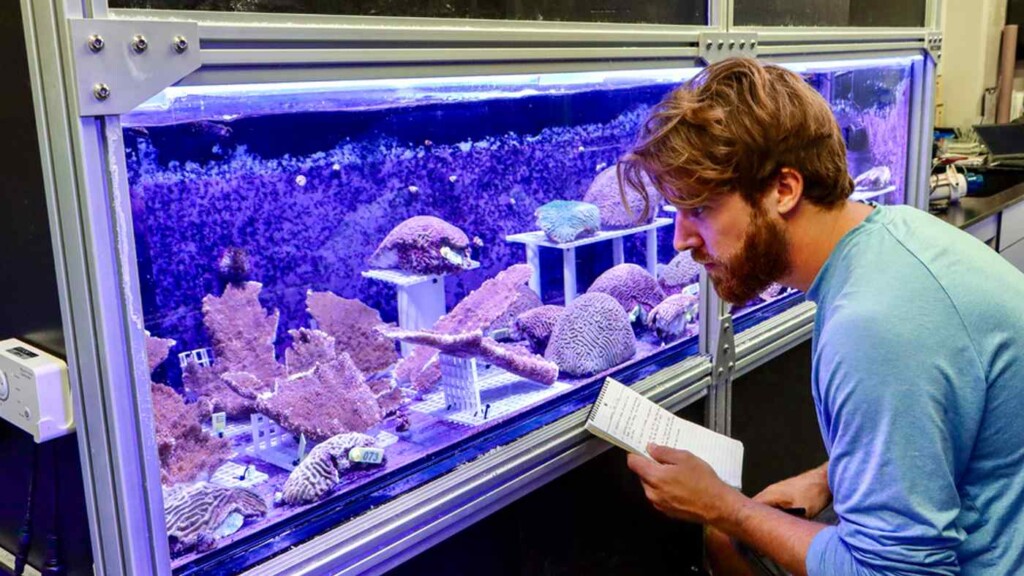
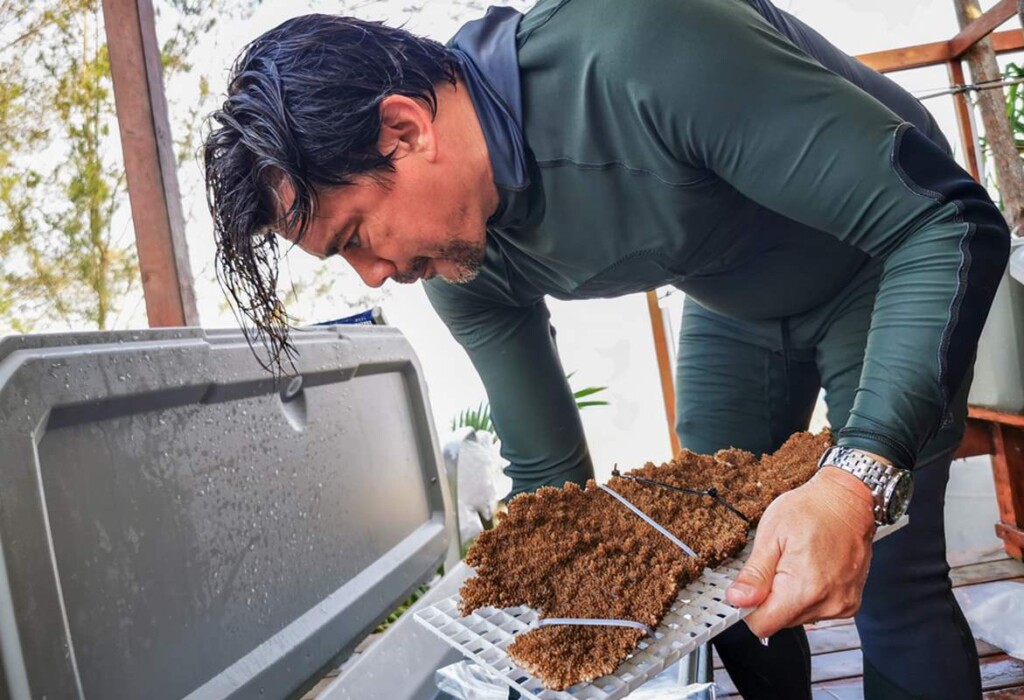
nIt’s not clear to scientists whether the answer to the riddle of Tela is one or all or some of these theories, but they’re not waiting around to find out. There’s now a coral breeding center at Tela called Tela Marine, and the proprietor hopes that genetic footprints of Tela coral will begin to make their way onto every reef in the world.nnThe first step has been to bring samples of elkhorn to the University of Miami’s Coral Reef Futures Lab and the Florida Aquarium in Tampa, where the two institutions will be cross-breeding native Floridian elkhorn coral with those of Tela Bay.nn“This is the first time that scientists have been able to import corals from very warm reefs overseas, with the goal of trying to breed those corals with Florida’s corals, to create offspring that have increased heat tolerance,” said Baker, who has been working to understand the biology of resilient corals for more than two decades.nnThe breeding is already underway, and four of the 13 Honduran elkhorn have not only spawned in captivity, which itself is a very difficult process, but crossbred with Florida corals.nnKeri O’Neil, director and senior scientist of the coral conservation program at the Tampa aquarium, is confident they will have spawning as well later this summer.nnSHARE This Hard Work On Behalf Of An Incredible Coral Reef With Your Friends…