Bending an ear
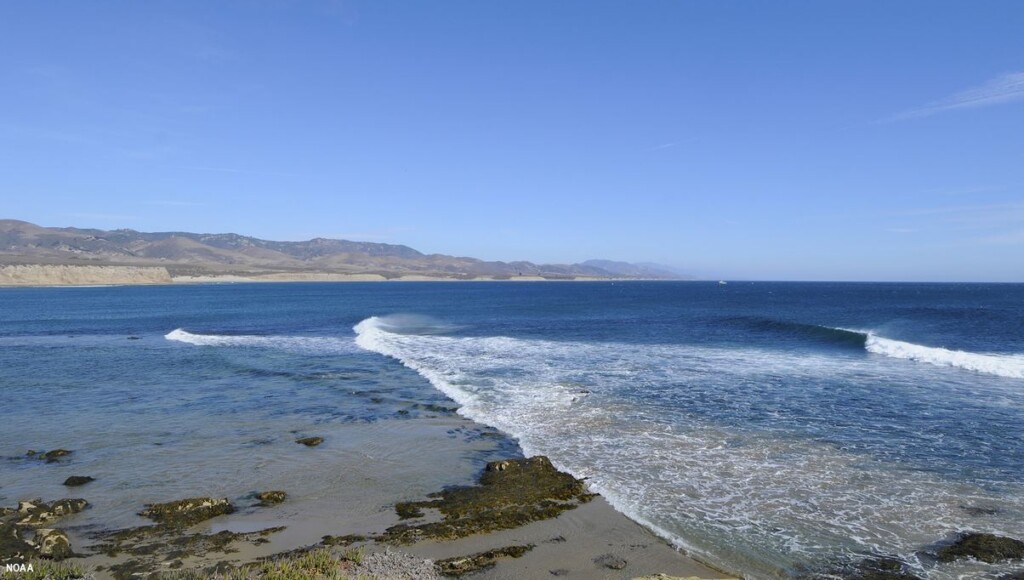
n”For the Chumash people, they have been a bit overlooked, unfairly, for some time now,” said NOAA representative Mike Murray, who worked with Walker on the final push for the marine sanctuary.nn”We are here at NOAA to say, with Violet and others, ‘Let’s work in partnership and change that. Let’s have this protected area and every coastal attraction or visitor center or sign that one might encounter make it clear that this is Chumash territory, and this is very special, and there’s deep meaning in that.'”nnMORE STORIES LIKE THIS: CA Redwoods to Be First National Park Co-Managed with a Native American Tribe That Used to Own itnnAs required by the National Environmental Policy Act, NOAA must wait 30 days after publication of the final environmental impact statement before making its final decision on designation. Following the 30 days, should NOAA decide to designate the sanctuary, the agency will release the final regulations and final management plan.nnThe sanctuary, as described in the preferred alternative, would recognize and celebrate Indigenous Peoples’ connections to the region, and be managed with their active participation and stewardship.nnThe sanctuary is anticipated to bring comprehensive community management to nationally significant natural, historical, archeological, and cultural resources—including kelp forests, rocky reefs, sandy beaches, underwater mountains, and more than 200 shipwrecks. It would span the area from Cambria to Santa Barbara, and connect the national marine sanctuaries of Monterrey Bay and Channel Islands, a passage that’s part of the migratory path of blue whales.nn“Every tribal nation across the country maintains a significant cultural tie to its aboriginal lands and waters. Sadly, for many, those connections have been difficult to reach. But today, with this announcement, the Chumash people take great strides in restoring our connection to our maritime history.” said Kenneth Kahn, Chairman of the Santa Ynez Band of Chumash Indians, which will serve as a co-steward of the sanctuary, in a statement released by the NOAA.nnThe boundaries for the national marine sanctuary, as outlined in the preferred alternative in the FEIS, would not include areas where offshore wind turbines are currently planned to be built or where wind energy transmission cables are expected to be laid.nnGOOD NEWS FOR AMERICAN MARINE LIFE: First-Ever Coral Crossbreeding Hopes to Mimic the Resilience of an ‘Invincible’ Reef in Hondurasnn“My father, the late Chief Fred Collins, began the journey to protect these sacred waters 40 years ago, and we have been so proud to continue his work,” Walker Sage said in the same statement. “I am delighted to celebrate his vision, today’s success, and the future of our People who will always be connected to past, present, and future by this special stretch of coastline and the true magic its waters hold.”nnWATCH a promotional video of the new sanctuary… nn[raw] [/raw]nnSHARE This Great News For American Tribes And American Wild Seas…