
Novel Plant-Derived Compound May Be Game-Changer for Drug-Resistant Tuberculosis

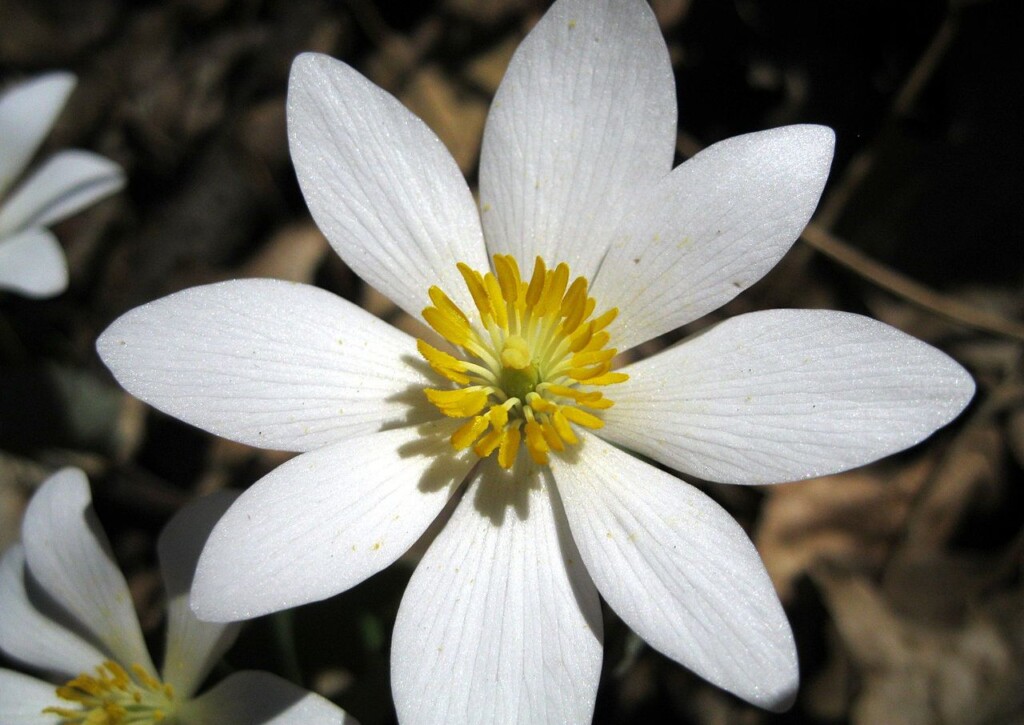
A bloodroot flower – CC 4.0. BY-SA Erutuon.
nnA plant-derived compound was shown in a recent study to kill strains of tuberculosis that were resistant to existing therapies.nnThe compound was found in a plant native to North America, and was not only able to suppress dormant TB bacteria from resurfacing but also didn’t damage the gut microbiome.nnTuberculosis is the second-leading killer of humans from an infectious disease worldwide, and has been developing resistance to many of the antibiotics previously used to treat it.nnCaused by a species of bacteria that invades the respiratory system called Mycobacterium tuberculosis, it can also affect the heart, brain, and spinal column.nnA new study published in the journal Anti-inflammatory Nutraceuticals and Chronic Diseases, found that sanguinarine, a derivative of bloodroot, a wildflower found in North America, could combat multidrug-resistant tuberculosis (MRTB) after being genetically modified to reduce its natural toxicity.nnTB is treated with multiple medications over a 6-month period, exposing the human organism to substantial weakening. By contrast, the sanguinarine selectively targeted the bacteria responsible for MRTB, leaving harmless and beneficial bacteria intact.nnHowever, in its natural form, sanguinarine is toxic to human cells, so Dr. Jim Sun, senior author and assistant professor at the University of British Columbia’s Department of Microbiology and Immunology, led a team to genetically reduce the toxicity of the phytochemical while increasing its potency as a tuberculosis killer.nnALSO CHECK OUT: A Hero Ingredient To Help Manage Obesity: The Hardy Roselle PlantnnThis resulted in the creation of 35 new derivatives, two of which—BPD9 and BPD6—showed over 90% inhibition of 8 different forms of Mycobacterium tuberculosis, 3 that were particularly virulent, and 5 that were resistant to existing drugs.nn“TB treatment takes six months because the bacteria can ‘hibernate’ in your lungs until reactivated. Most antibiotics work best against actively growing bacteria, but BPD9 seems to be able to stop dormant bacteria from coming back to life,” explained Dr. Sun.nnSTORIES SIMILAR TO THIS: Plant Toxins Fatal to Sugarcane Hailed as the ‘New Weapon’ Antibiotic in Fight Against BacteriannIt took just 8 days to significantly reduce the quantity of MRTB and other TB strains in mice treated with BPD9, delighting the research team, who nonetheless say that more work needs to be done to lower the compounds’ toxicity and conducting additional tests on drug-resistant strains of TB-causing bacteria.nnSHARE This Positive Public-Health Development With Your Friends…

Share the Post:

Related Posts