- n
- Scientists Discover ‘World’s Largest’ Coral –the Size of 5 Tennis Courts
- First-Ever Coral Crossbreeding Hopes to Mimic the Resilience of an ‘Invincible’ Reef in Honduras
- Full Recovery for Coral Reef Within 4 Years – The Speed of Restoration They Saw was ‘Incredible’
- Volunteers ‘De-seaweeding’ Results in Dramatic 600% Improvement of Coral Regrowth
- Parts of the Great Barrier Reef Show Highest Coral Cover in 36 Years
n
n
n
n
n
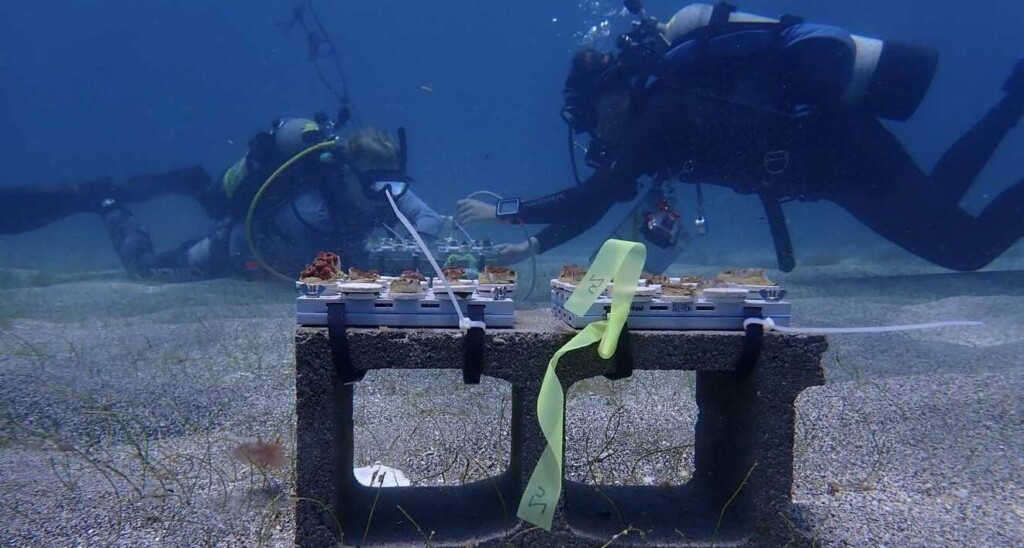
nField testing is still needed to ensure that additional nutrients in the environment don’t cater to one specific type of coral or promote the growth of undesired or invasive species. Brandt, Hansel, and their colleagues hope utilizing these nutrient tiles, alongside an artificial reef structure, will create a diverse environment for reefs and species that rely on them.nn“It is important to create an ecologically sound, diverse coral reef,” Hansel continued. “We need to be sure an artificial reef looks and sounds as similar to a natural reef as possible. That doesn’t consist of just coral, but also sponges, anemones, and other biogeochemical components of the reef ecosystem. These interactions and feedback are necessary to make the whole habitat healthy.”nnThe WHOI has been behind a number of coral breakthroughs in recent years. This spring, the institute found that broadcasting the sound of a healthy coral reef actively accelerated coral growth in a degraded reef.nn”A healthy coral reef is noisy, full of the croaks, purrs, and grunts of various fishes and the crackling of snapping shrimp. Scientists believe that coral larvae use this symphony of sounds to help them determine where they should live and grow,” a statement from the institute read at the time.nnSHARE This Innovative Study In Coral Nutrition With Your Friends…