Reprinted with permission from World At Large, a news website of nature, politics, science, health, and travel.
nWith the high season in Europe underway, many famous cities are already analyzing the results of new controls and taxes on tourism to manage overcrowding. The movement towards hindering tourism is nothing short of unprecedented.nnOne quote from AP is particularly jarring.nn“Tourists are waiting more than two hours to visit the Acropolis in Athens,” it read. “Taxi lines at Rome’s main train station are running just as long. And so many visitors are concentrating around St. Mark’s Square in Venice that crowds get backed up crossing bridges—even on weekdays”.nnBut this year is just a demonstration. Come 2025, even more protocols will be implemented, including an EU-wide travel authorization system that will rake in tens of millions of euros and allow offenders of various tourist control measures to be easily identified.nnThere has never been a better time to look for B, or even C-list cities in Europe, and in fact there are many advantages to doing so.n
- n
- They are easier on the wallet—though this doesn’t mean you have to skip first-class attractions.
- They offer a surprise—and a more unique window into a country’s culture, both those of the locals and of the nation.
- They also allow a visitor to bring home an experience their friends and colleagues are unlikely to have had.
n
n
n
n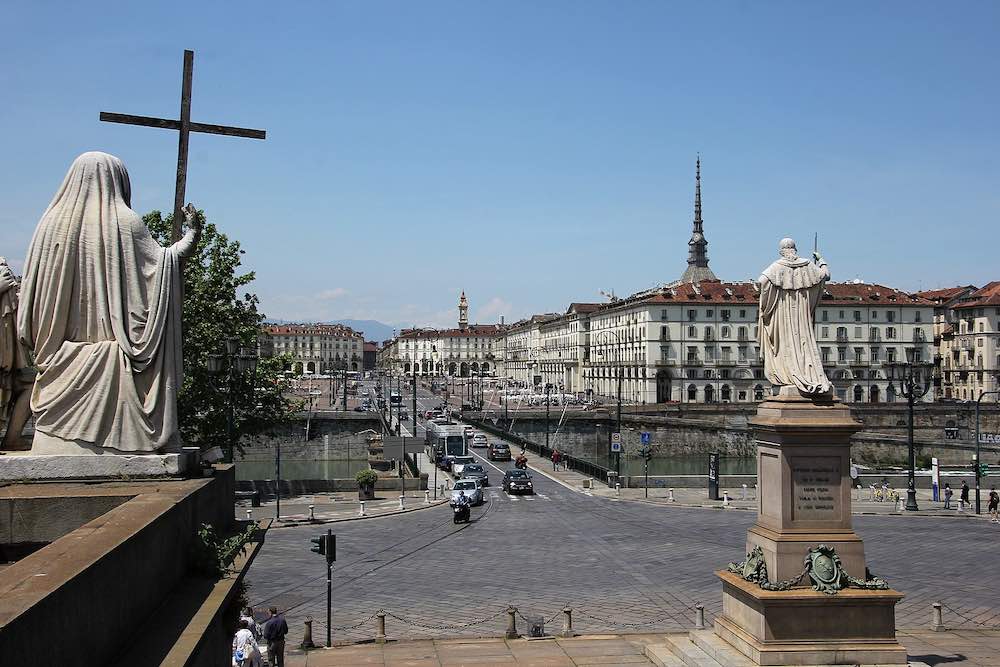
Italy — the land of overtourism
nHoping to escape tourists in Italy is like moving a house next to a termite nest and hoping to escape termites. To see Venice, Rome, Naples, Florence, or Milan, visitors must be ready to bear the tourists, controls, and taxes.nnEven if you visit a secondary B-list city, like Trieste, Siena, Genova, Lucca, or Verona, there’s no guarantee of escaping tourists. The city footprint is smaller, so the tourists may seem to be closer together.nnIn Rome, the city is now charging for entry to the Pantheon, and controlling crowds at the Spanish Steps and Trevi Fountain. Florence is now deliberately shrinking the number of short-term vacation rental properties in the city, a measure also implemented already in Rome that may lead to a price spike for accommodations.nnVenice is doing the same but to an even greater degree. They’re also trialing a new access tax for day-trippers and regulating tourist group sizes to 25. The Guardian reports that €250 fines have been implemented for simply sitting down on the famous Spanish Steps in Rome.nnConsider leaving all this behind for the city of Torino (Turin). The capital of the Piedmont region of Italy. This B-list destination is beautiful, spacious, and verdant—especially because a tree-planting program in the city has added two million urban trees.nnAlthough last year the city saw record numbers of tourists—including the first time that international tourists overtook domestic ones—images from local papers reveal the size of the ‘crowds’ at the peak season, and lengths of the ‘lines’, which are quite modest.nn
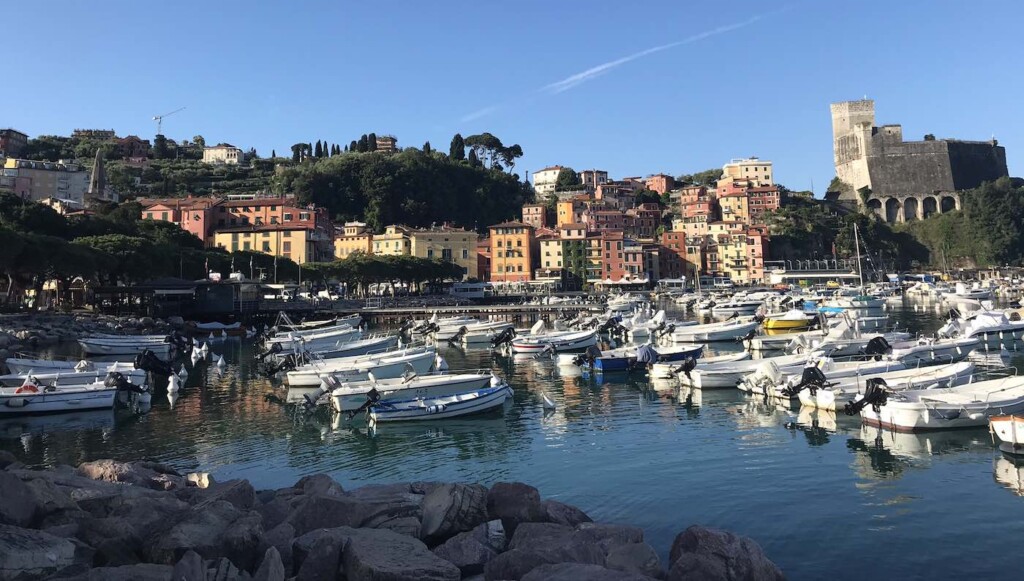
The Ante-Cinque Terre
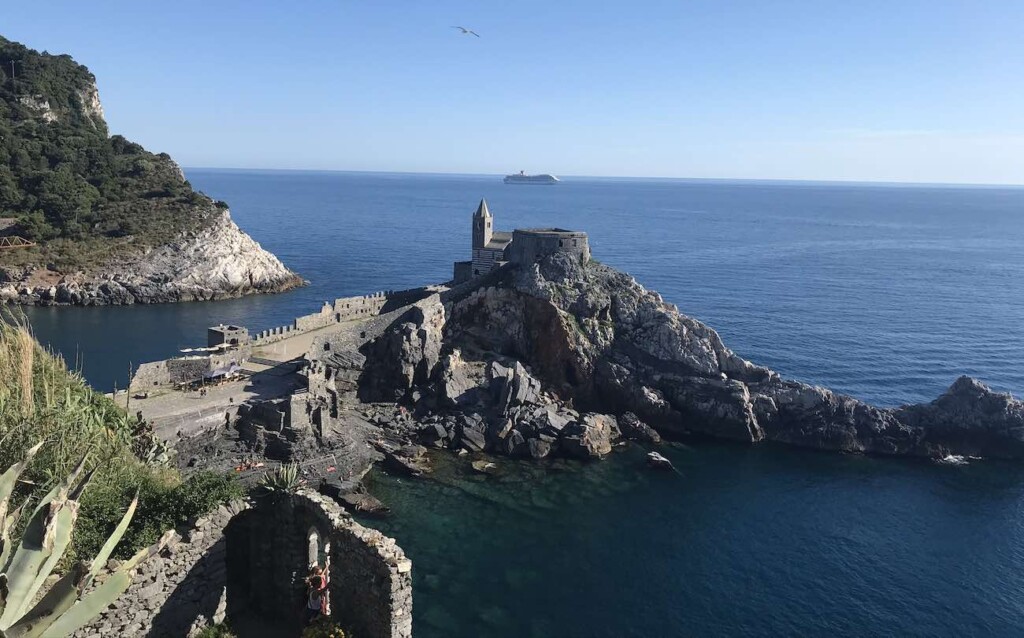
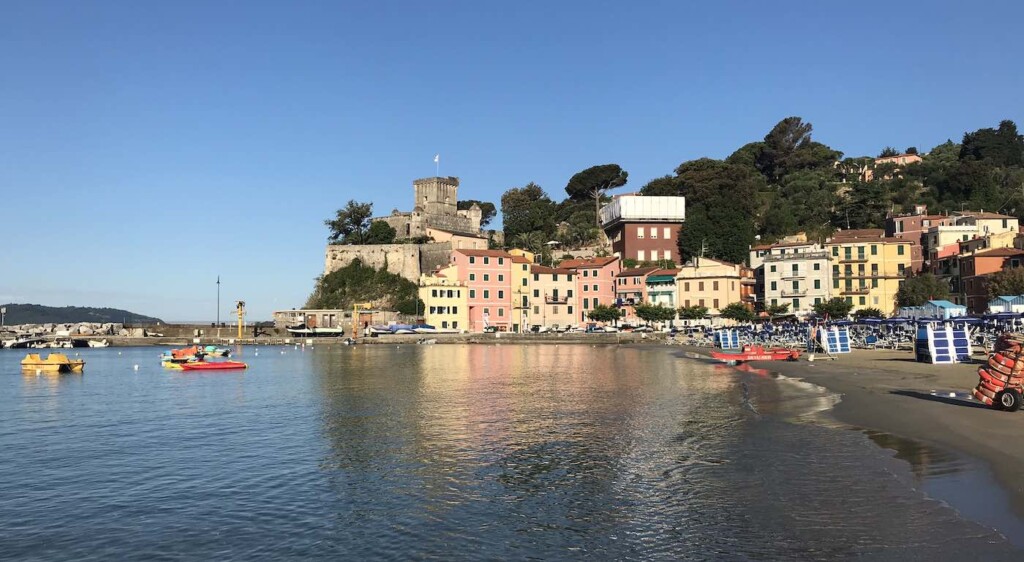
nForbes reports that the problem of overcrowding is equally as bad, if not worse, in the small towns of Cinque Terre in Liguria, with congestion at Portofino—what is essentially a fishing village nestled in a sheltered cove—being so bad that anyone stopping to take so much as a photograph in a way that is intrusive or obstructive can be fined up to €275.nnThat’s a pittance compared to the €2,500 fine you will receive for walking the paths above the Cinque Terre in flip-flops or sandals. The Italian authorities mean business—behave yourself, or begone… There are good options, however, if you take them up on that offer.nnIf the sea is a must in your holiday plan, consider the Ante-Cinque Terre, an area south of the major city of La Spezia with very similar scenery, but perhaps one-third of the visitors. Much like Cinque Terre, this area is defined by small municipalities on the seaside, painted a variety of colors.nnThe route includes Fezzano, Le Grazie, Portovenere, Lerici (pictured at the top), Tellaro, and Montemarcello, which together line the shores in a curve around an aquatic feature called il Golfo dei Poeti, because it was here that the famous Romanticists Percy Shelly and Lord Byron both stayed for long periods during their exiles from Britain.nn